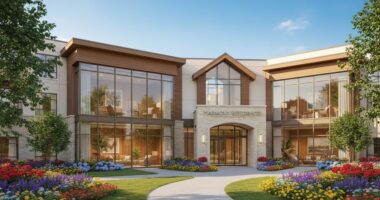
The unprecedented demographic wave of baby boomers entering their retirement years has catalyzed a transformative surge in senior living demand, creating multifaceted market opportunities that transcend traditional housing paradigms.
You’re witnessing a fundamental restructuring of the senior housing landscape as absorption rates reach historic peaks, while the proportion of 65+ households continues its projected upward trajectory through the decade. This demographic inflection point is particularly evident in 2023 data, where growth in the 80+ population began outpacing inventory expansion in specialized senior accommodations, creating a supply-demand imbalance that savvy developers are rapidly addressing. The Harvard Joint Center for Housing Studies projects significant increases in households aged 65 and over, reinforcing the need for expanded senior housing solutions. The industry experienced a remarkable 40% increase in absorption rate during Q1 2024 compared to the previous year, further highlighting the accelerating demand momentum.
You’ll find that economic determinants further amplify this market evolution, with seniors’ median net worth and disposable income levels experiencing significant appreciation, enhancing their capacity to invest in premium living environments. Group purchasing organizations help facilities manage operational costs while maintaining affordability for residents.
The financial stability of this cohort serves as a cornerstone for their housing decisions, particularly as they navigate the complexities of rising healthcare expenditures and extended lifespans that necessitate thorough care solutions. This confluence of economic factors has positioned continuing care retirement communities (CCRCs) as increasingly attractive options due to their integrated continuum of care.
The aging generation’s wealth provides foundation for sophisticated housing choices as they confront healthcare costs and longevity challenges.
Your investment considerations should account for the technological integration reshaping this sector, with telehealth services and smart home implementations becoming standard expectations rather than luxury differentiators.
These technological advancements don’t merely improve resident satisfaction metrics—they’re becoming essential competitive advantages in attracting the modern, tech-savvy senior consumer. Facilities incorporating these innovations are demonstrating superior market positioning and enhanced occupancy rates.
You’re entering a market where assisted living has historically outperformed independent living segments, though recent data suggests this performance gap is narrowing.
The evolving preference matrix among seniors now prioritizes dynamic, health-centric lifestyle options that extend beyond basic housing requirements. This demand evolution has prompted developers to create increasingly diverse housing solutions that accommodate varying needs, preferences, and healthcare requirements—a trend that will continue as the demographic shift accelerates in coming years.