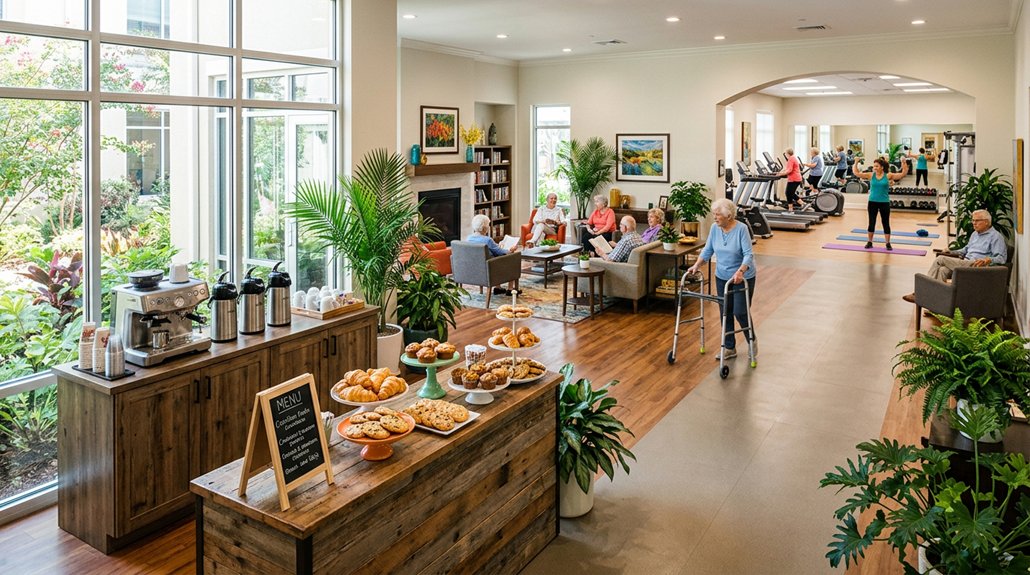
As independent living operators increasingly adapt to the evolving landscape of senior housing, they’re confronted with a significant shift characterized by rising resident acuity levels, which have blurred the lines between independent and assisted living. This phenomenon, often referred to as *acuity creep*, indicates that operators now serve residents who arrive later in their aging journey, necessitating more thorough care. A 2025 survey revealed that 74% of senior living leaders acknowledged a notable increase in resident acuity, with 63% suggesting that these needs are underreported, thereby indicating potentially higher demands than documented.
Market pressures are compelling independent living operators to pursue higher-acuity residents, as these individuals can enhance occupancy rates and facilitate quicker recovery from pandemic-related declines. Data illustrates that assisted living and memory care settings have rebounded more rapidly than independent living, prompting operators to strategically target this demographic to improve penetration rates.
Additionally, operators report that occupancy gains within higher-acuity settings have outperformed those in independent living, underscoring the urgency to capture residents earlier in their care trajectories.
Financially, higher-acuity residents represent a lucrative opportunity through tiered pricing structures and add-on services, allowing operators to offset escalating care costs. The industry has seen an uptick in fees for services such as medication management and more intensive supervision, reflecting a broader shift towards accommodating complex care needs while enhancing revenue streams.
Operators are increasingly focused on balancing rising acuity with improved bottom-line performance, as traditional revenue patterns have historically shown only modest growth.
In light of these dynamics, independent living is no longer synonymous with minimal assistance. Operators are redefining their service offerings to delineate clearer distinctions between independent living, assisted living, and active adult models.