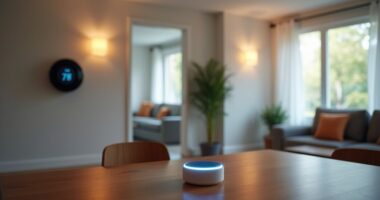
In the rapidly evolving landscape of senior living, technology adoption stands as a crucial determinant of operational efficiency and resident satisfaction. Prior to selecting any technology, conducting a thorough needs evaluation is essential. This includes identifying specific pain points related to care, workflow, and resident engagement, ideally through extensive surveys. Research indicates that 75% of senior residents express a desire for technology that directly addresses their daily challenges, suggesting that aligning technology with resident needs greatly increases the likelihood of successful adoption.
Choosing user-friendly and accessible technology is equally important. Studies show that usability, accessibility, and confidence greatly influence older adults’ willingness to embrace new tools. For instance, a 2022 survey revealed that 68% of seniors reported feeling overwhelmed by complex technology, highlighting the necessity for solutions that minimize workflow complexity and feature intuitive designs. Tailored onboarding sessions are key to easing this transition and ensuring residents feel comfortable with new technology. Furthermore, listening to families becomes essential in understanding how technology can be best integrated into their loved ones’ lives.
Additionally, evaluating existing infrastructure, such as robust Wi-Fi and staff tech readiness, is crucial before committing to any technological solution.
Once technology is selected, it’s imperative to integrate thorough training and support. A formal training plan should tailor sessions for various user groups, ensuring that both staff and residents receive ongoing support. Remarkably, a report from the National Institute on Aging indicates that continuous training can improve technology adoption rates by up to 40%.
Moreover, initiating a pilot program allows for testing the technology in a controlled environment, gathering essential feedback from both residents and staff that informs future decisions.
Engaging champions among staff and involving residents and families in the planning process fosters a supportive atmosphere for adoption. Research indicates that stakeholder collaboration can enhance the relevance of technology, thereby increasing buy-in.
Finally, employing robust analytics to monitor adoption patterns provides critical insights into usage gaps, enabling continuous improvement. By systematically addressing these elements, senior living organizations can greatly enhance their technology adoption strategies, ensuring they meet both operational goals and resident needs effectively.