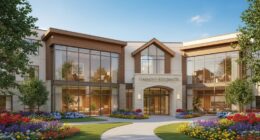
As the demographic landscape of America undergoes a profound evolution, with adults aged 65 and older projected to constitute 21.6% of the U.S. population by 2040, senior living communities are experiencing an unprecedented paradigm shift in operational frameworks and resident expectations.
You’re witnessing a fundamental reimagining of the senior living model, shifting from standardized care delivery to personalized, hospitality-driven experiences that accommodate individualized preferences and lifestyle choices. Communities now prioritize intergenerational connectivity, positioning residents within vibrant ecosystems that facilitate meaningful engagement across demographic cohorts. Many facilities now offer middle-market housing options to accommodate diverse financial circumstances.
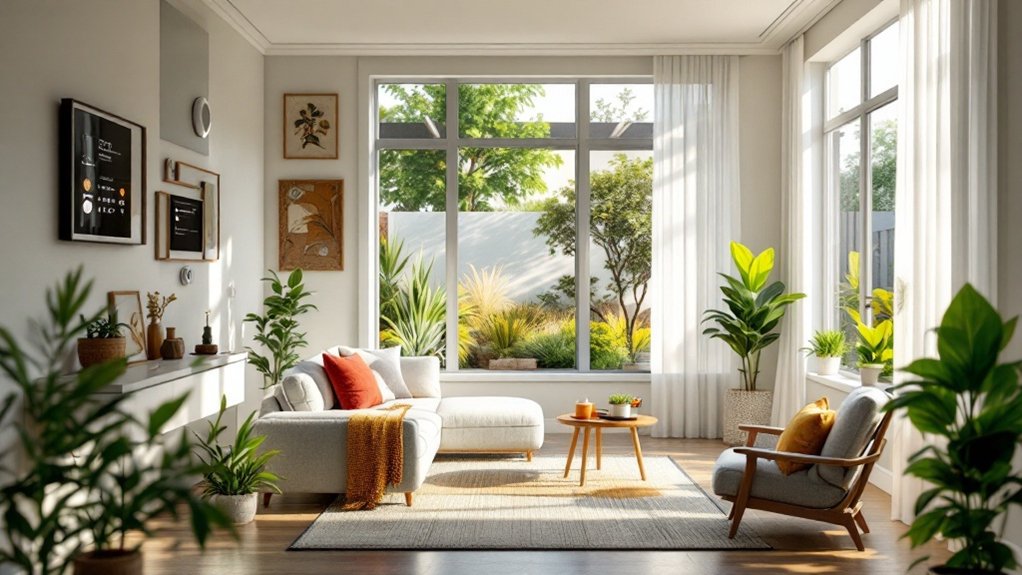
The integration of advanced technological infrastructure represents a cornerstone innovation reshaping senior accommodation paradigms. You’ll find smart home systems featuring voice-activated environmental controls becoming standardized amenities, while wearable biomonitoring devices provide continuous health surveillance and fall detection capabilities. Recent studies show approximately 75% of Americans aged 50 and older express a strong desire to age in place rather than relocate to institutional care settings.
Telemedicine platforms now facilitate remote clinical consultations, particularly beneficial for residents with ambulatory limitations. These technological deployments contribute to an extensive digital ecosystem that empowers both autonomous living and precision care delivery.
Wellness-centric community design has emerged as a dominant operational philosophy, with architectural considerations and programming deliberately aligned with evidence-based health promotion strategies. You’re seeing customized care protocols tailored to individual health profiles combined with holistic approaches that address psychosocial determinants alongside physiological needs.
Virtual reality applications now provide immersive therapeutic interventions promoting cognitive stimulation and psychological well-being through experiential engagement. Modern senior communities increasingly embrace biophilic design principles to create environments that reduce stress and enhance overall resident wellness through strategic incorporation of natural elements.
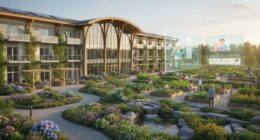
Sustainability initiatives have transcended optional status to become operational imperatives within contemporary senior living communities. You’ll observe eco-conscious construction methodologies, energy-efficient mechanical systems, and integration of renewable power generation creating environmentally responsible living environments.
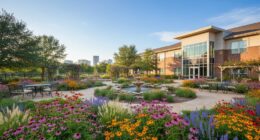
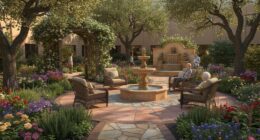
Communities increasingly incorporate sustainable landscaping featuring native vegetation that simultaneously enhances resident engagement opportunities while minimizing resource consumption and maintenance requirements.
These multifaceted innovations continue evolving in response to regulatory developments, including the Older Americans Act reauthorization with its emphasis on healthy aging strategies and economic security.
You’re witnessing a senior living sector in dynamic evolution, redefining itself through technological integration, personalized care models, and sustainable operational practices to meet the sophisticated expectations of today’s older adults.