As the senior population continues to expand, with projections suggesting an increase to over 95 million by 2060, the demand for spacious senior living apartments has risen markedly, reflected in occupancy trends and resident preferences. Recent data shows that three-bedroom assisted living units achieved an impressive 88% average occupancy in 2025, a significant increase from 74% a decade earlier. This trend is mirrored across various senior housing categories, with three-bedroom units averaging 94%, two-bedroom units at 91%, and one-bedroom units at 88% occupancy during the same period.
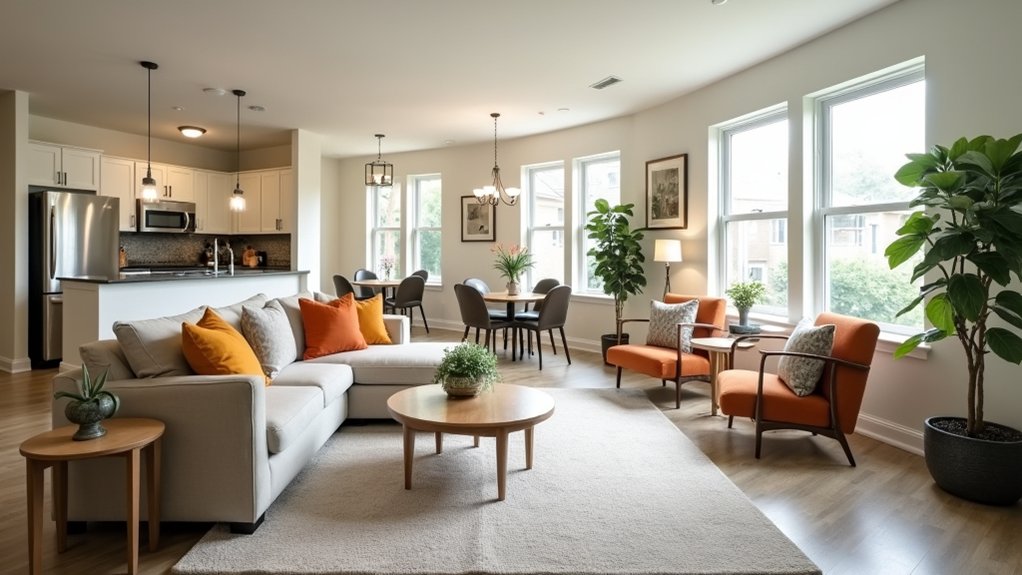
The preference for larger living spaces has become increasingly evident, as residents shifting from independent living to assisted living exhibit a distinct inclination towards larger units. Remarkably, developers have responded to this demand by constructing 20% of new units with three or more bedrooms in Q2 2025, a dramatic rise from a mere 2% in 2014. The occupancy rates further substantiate this trend, revealing that independent living facilities with larger units consistently outperform studios, with occupancy rates ranging from 86% to 88%. Additionally, the overall occupancy gains reflect a reversal of trends from 2022 and 2023, indicating a stronger market for spacious senior living options.
The growing preference for larger units in senior living is reshaping market dynamics and occupancy rates.
Despite a slight uptick in assisted living inventory in early 2025, overall construction starts for senior housing reached an all-time low, particularly in primary and secondary markets. Additionally, net absorption rates surpassed new unit availability, which elevated overall occupancy to 87.4% across 31 primary markets in Q1 2025. This trend underscores a broader demographic shift, with the senior population, particularly the 80+ cohort, anticipated to grow by 36% over the next decade, fueling a burgeoning demand for spacious senior living accommodations. Moreover, approximately 30,600 assisted living communities exist in the U.S., further emphasizing the need for adequate and appealing living options for seniors.
In addition, rental preferences among seniors indicate that 67% expect apartment living, while affordability remains a key driver for 55% of renters. Consequently, the industry anticipates robust growth, with the assisted living market projected to exhibit a compound annual growth rate of 5.53% through 2030, highlighting the critical role of spacious senior living apartments in redefining resident satisfaction and market value.